

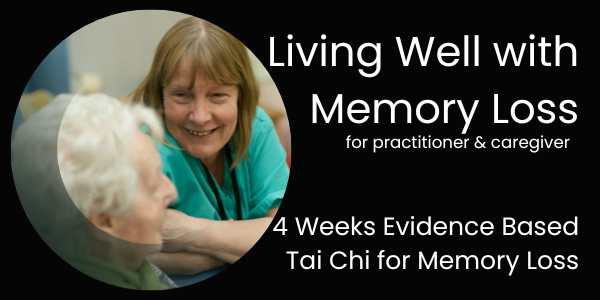
Designed for individuals experiencing mild memory loss or early cognitive changes, this specialized program combines the gentle practice of tai chi with evidence-informed movement strategies that support balance, attention, relaxation, and overall well-being. Participants attend each class alongside a caregiver or family member, creating a supportive environment where both can learn, move, and connect together.
Rather than focusing on memorizing long movement sequences, classes emphasize enjoyable movement experiences that encourage confidence, engagement, and success.
Four weekly 45-minute classes
Participant and caregiver attend together
Small class size (maximum of five participant/caregiver pairs)
Individualized instruction with experienced tai chi instructors
Safe seated and standing movement options
Home practice recommendations to encourage continued movement between sessions
Pre- and post-program assessments to measure progress
Learn slow, flowing movements that improve posture, balance, coordination, and body awareness. Every exercise can be modified to meet individual abilities.
Participate in engaging movement exercises designed to gently stimulate attention, coordination, visual tracking, dual-tasking, sequencing, and working memory through enjoyable physical activity.
Practice weight shifting, stepping patterns, posture, and gait exercises that promote confidence and reduce fall risk while maintaining safety at all times.
Each class includes breathing exercises and mindfulness practices that help reduce stress, improve emotional well-being, and promote relaxation for both participants and caregivers.
Enjoy learning in a welcoming, supportive environment where participants and caregivers can share the experience together and build meaningful connections with others facing similar challenges.
Participants complete simple assessments before and after the program to help measure changes in areas such as:
Balance and functional mobility
Walking confidence
Quality of life
Confidence with daily movement
Caregiver observations of participation and engagement
These assessments help document progress while guiding future recommendations.
This program is ideal for individuals with:
Mild Cognitive Impairment (MCI)
Early-stage Alzheimer’s disease
Early-stage dementia
Age-related memory concerns
Participants should be able to safely participate in gentle movement with or without an assistive device. Caregivers participate throughout each class, providing encouragement while sharing in the benefits of movement and relaxation.
Participants may experience improvements in:
Balance and stability
Walking confidence
Coordination
Attention and focus
Relaxation and stress management
Overall physical activity
Confidence in everyday movement
Social engagement and enjoyment
Caregivers often report feeling more connected, more relaxed, and better equipped to support their loved one through shared participation.
Program Length: 4 Weeks
Class Duration: 45 Minutes
Class Size: Maximum of 5 participant/caregiver pairs
Recommended For: Individuals with mild memory loss or early cognitive decline attending with a caregiver or family member.
Systematic Review & Meta-analysis (11 Randomized Controlled Trials, 905 participants)
Systematic Review & Meta-analysis
Comprehensive Review & Meta-analysis (8 Randomized Controlled Trials, 1,379 participants)
Research suggests that regular Tai Chi practice may:
Use simple memory aids to reduce stress and stay organized. A notebook, planner, calendar, or smartphone reminders can help you keep track of appointments, medications, and important tasks.
Tip: Keep your notebook in the same place every day so it’s easy to find.
A few small changes can make daily life safer and more manageable.
A well-organized environment can reduce frustration and increase independence.
A balanced diet supports both brain and body health. Aim to include:
Staying well-hydrated is just as important. Even mild dehydration can affect thinking and concentration.
Sleep plays an important role in memory, learning, and overall brain function. Poor sleep can make memory difficulties seem worse.
Healthy sleep habits include:
If you or your loved one snores heavily, stops breathing during sleep, or is excessively sleepy during the day, talk with a healthcare provider, as sleep disorders are common and often treatable.
It’s natural to become frustrated by things that become more difficult. Instead of focusing on what has changed, celebrate the abilities that remain.
Choose activities that bring joy and purpose, such as:
Maintaining meaningful activities can help preserve confidence, reduce anxiety, and improve overall well-being.
A diagnosis of memory loss changes life for everyone—not just the individual, but also the spouse, child, family member, or friend who becomes a caregiver. As daily routines change, opportunities to simply enjoy time together often become fewer and farther between.
Living Well with Memory Loss was created to change that.
This unique four-week program brings participants and their caregivers together to experience the many benefits of tai chi in a warm, supportive, and encouraging environment. Every class is shared, allowing both individuals to learn, move, laugh, and succeed together. Caregivers don’t sit on the sidelines—they become active participants in the journey.
We believe caring for the caregiver is just as important as caring for the individual living with memory loss.
To ensure personalized instruction and a comfortable atmosphere, enrollment is limited to 5 participant/caregiver pairs. This small class size allows our instructors to provide individualized attention while fostering friendships and a true sense of community.
Program Investment for each pair
$125 Single Payment
$65 Two Payments for added flexibility
Caregivers attend free of charge and MUST attend each class.
We believe financial circumstances should never prevent someone from participating. Financial assistance is available upon request, and all inquiries are handled with respect and confidentiality.
Whether your goal is to improve balance, remain active, stimulate the mind, or simply enjoy meaningful time together, Living Well with Memory Loss offers more than an exercise class—it offers a place to connect, move with confidence, and continue creating meaningful moments together.
Disclaimer:
Balance & Flow®: Living Well With Memory Loss is an educational wellness program and is not intended to diagnose, treat, cure, or prevent any disease. Participants should continue to follow the recommendations of their healthcare providers. Tai Chi instruction is provided as a complementary wellness practice designed to support healthy movement, balance, relaxation, and quality of life.